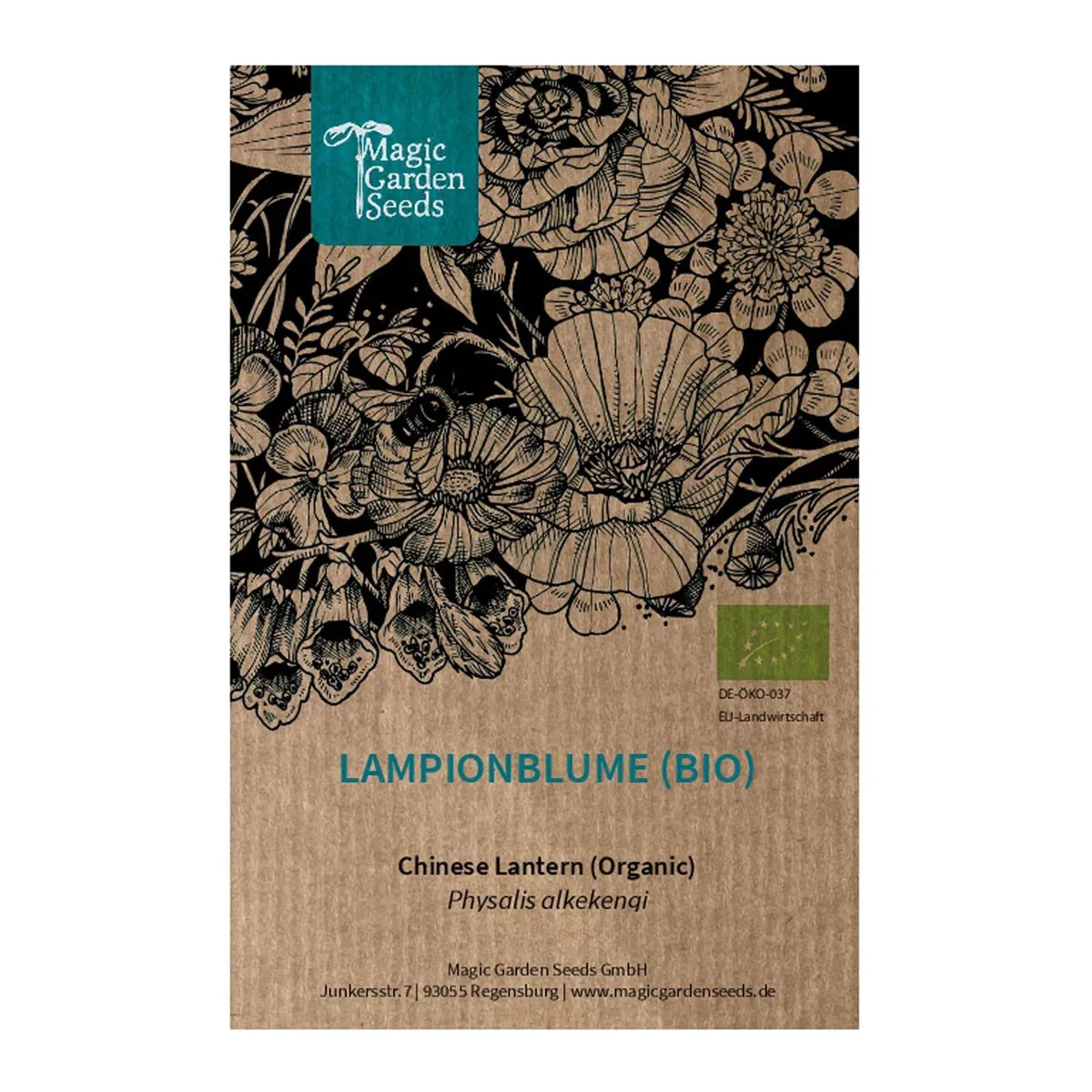
Linterna china (Physalis alkekengi) orgánica
- En Japón, sus semillas se utilizan durante el festival Obon como ofrenda para los antepasados fallecidos. Planta perenne con frutos decorativos en forma de linterna, también silvestre en Europa.
- Contenido: Aprox. 100 semillas
- Variedad de reproducción estable, capacidad de germinación comprobada periódicamente
3,39 €
Descripción
Decorative Autumn Beauty with Cultural Significance
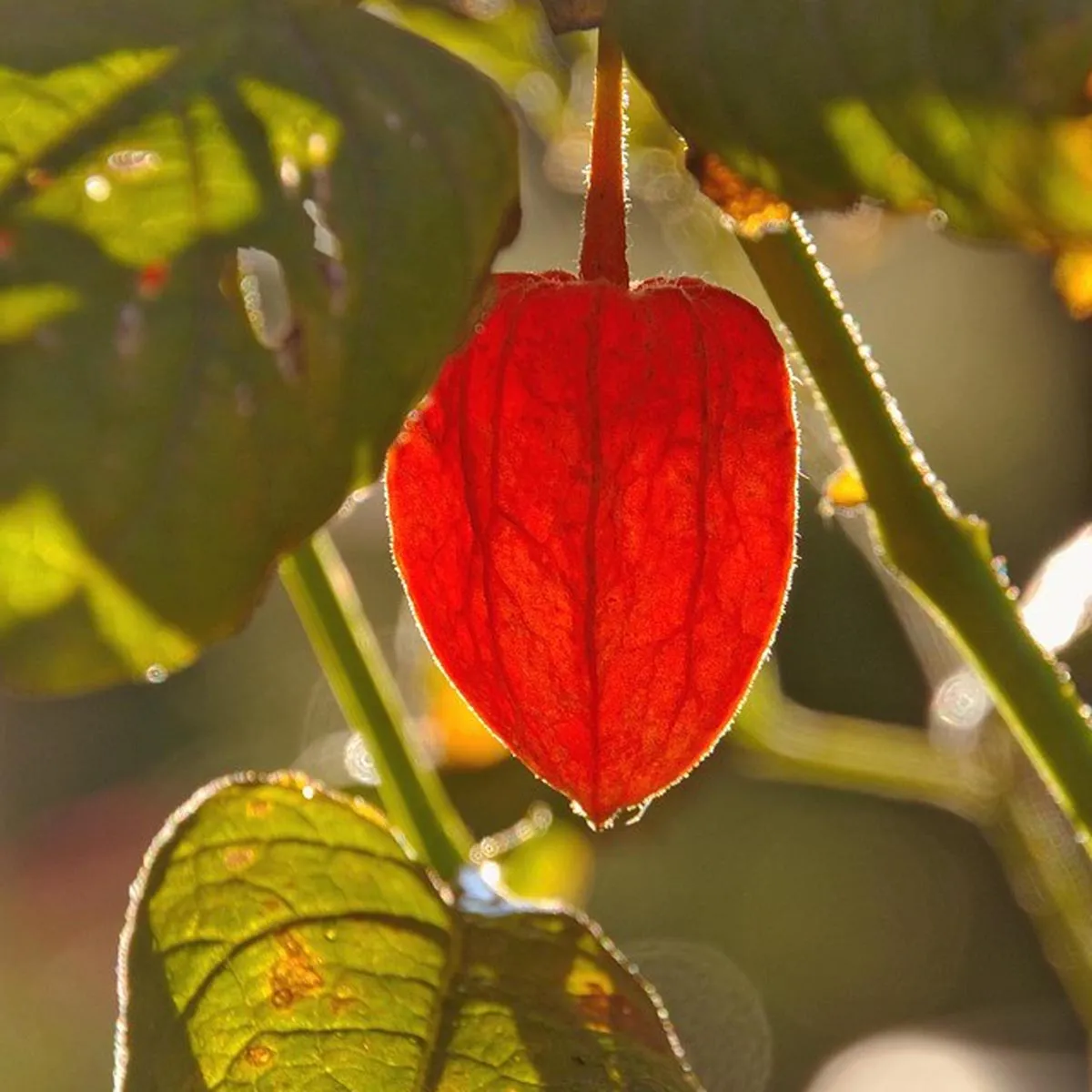
The Chinese lantern plant (Physalis alkekengi) is a hardy, easy-care perennial, best known for its striking, orange-coloured fruiting husks. Resembling small paper lanterns, these husks give the plant not only its name but also its unique ornamental appeal. Even in winter, the dried husks retain their vivid colour and intricate structure, making them ideal for dried arrangements and autumn decorations.
Originally native to regions stretching from Southern Europe to Southeast Asia, the Chinese lantern plant has become a popular ornamental feature in many gardens. In Japan, it plays a special role in the Obon Festival, where its seeds are offered symbolically to honour the spirits of the deceased. This cultural connection makes the plant both visually and symbolically fascinating.
Important: All parts of the plant are mildly toxic and should not be confused with edible physalis species such as the Cape gooseberry (Physalis peruviana).
Ficha de la planta
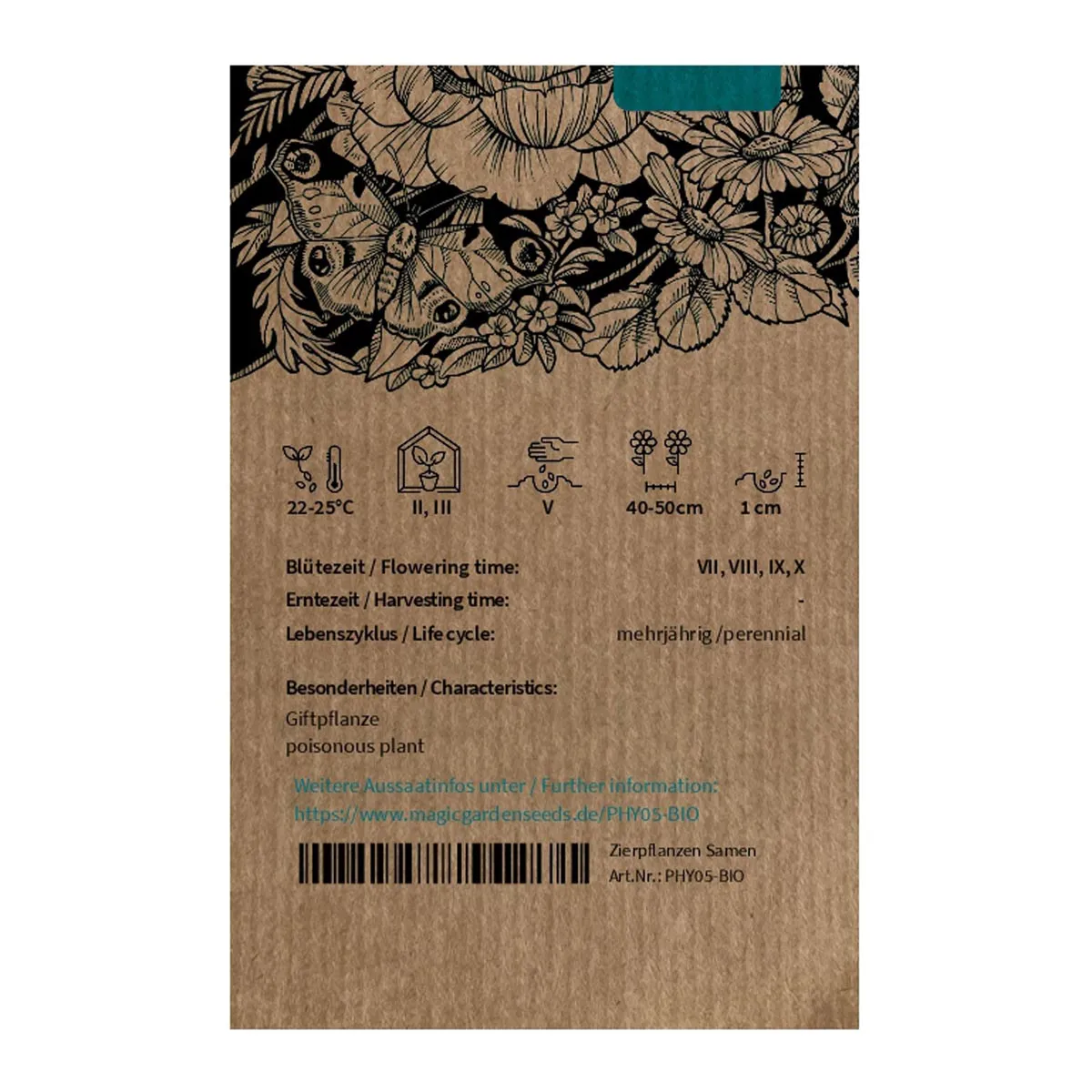
| Identificación | Planta perenne / herbácea |
|---|---|
| Ciclo de vida | Perenne |
| Género | Solanaceae |
| Región de origen | América del Sur, Asia, Europa del Este |
| Características | Planta tóxica |
| Altura de crecimiento | 40-80 cm |
| Color de la flor | Blanco |
| Floración | Agosto, Julio, Octubre, Septiembre |
| Color del fruto | Orange |
| Sistema de raíces | Rizoma |
| Zonas de rusticidad (ZR) | 7 (-18 bis -12 °C) |
Consejos de cultivo
| Tiempo de siembra al aire libre | Mayo |
|---|---|
| Profundidad de siembra | 1 cm |
| Temperatura de germinación | 22-28°C |
| Clima | Moderado |
| Tipo de suelo | Calcáreo |
| Luz solar | Pleno sol, Sombra |
| Demanda de agua | Medio |
| Distancia entre plantas | 50 cm |
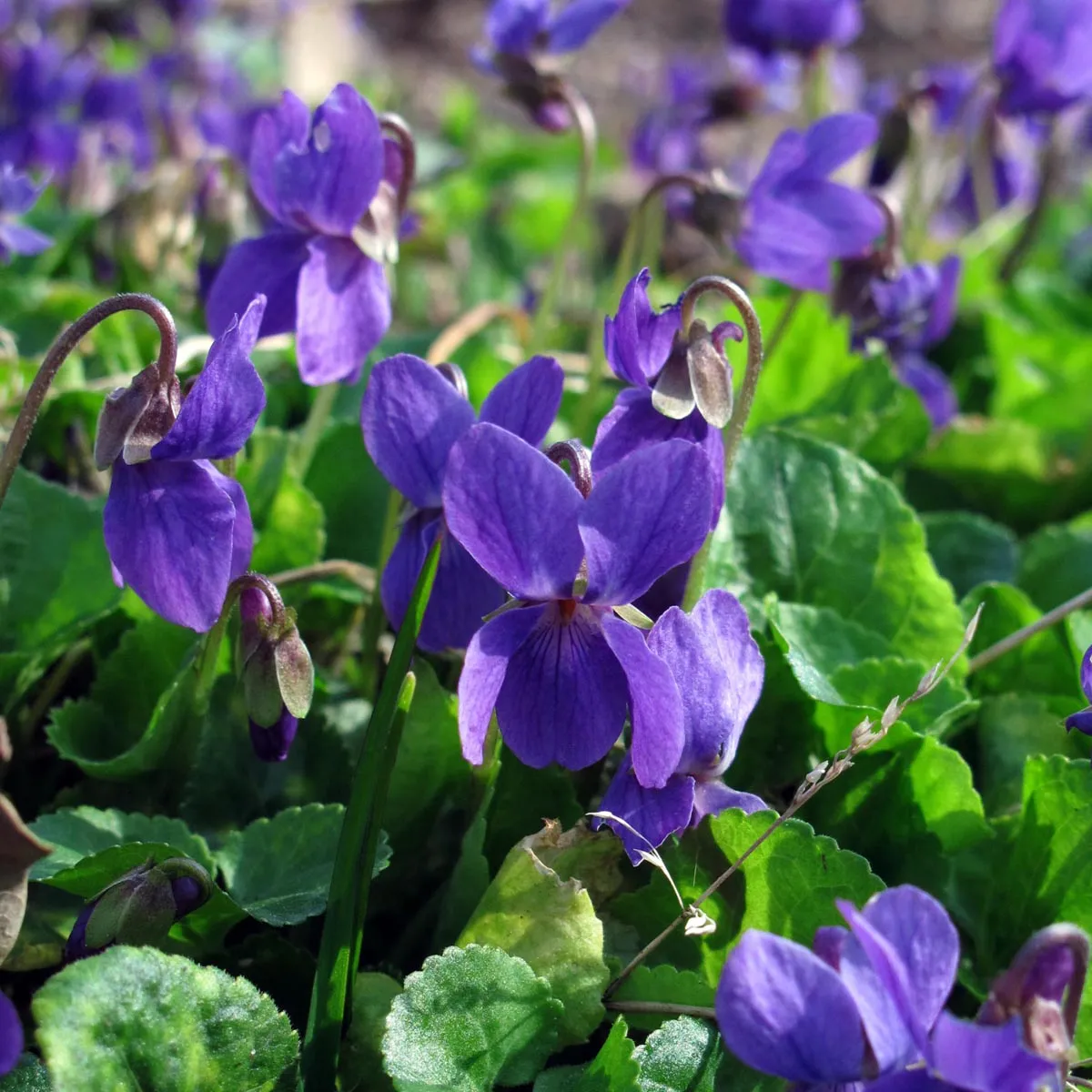
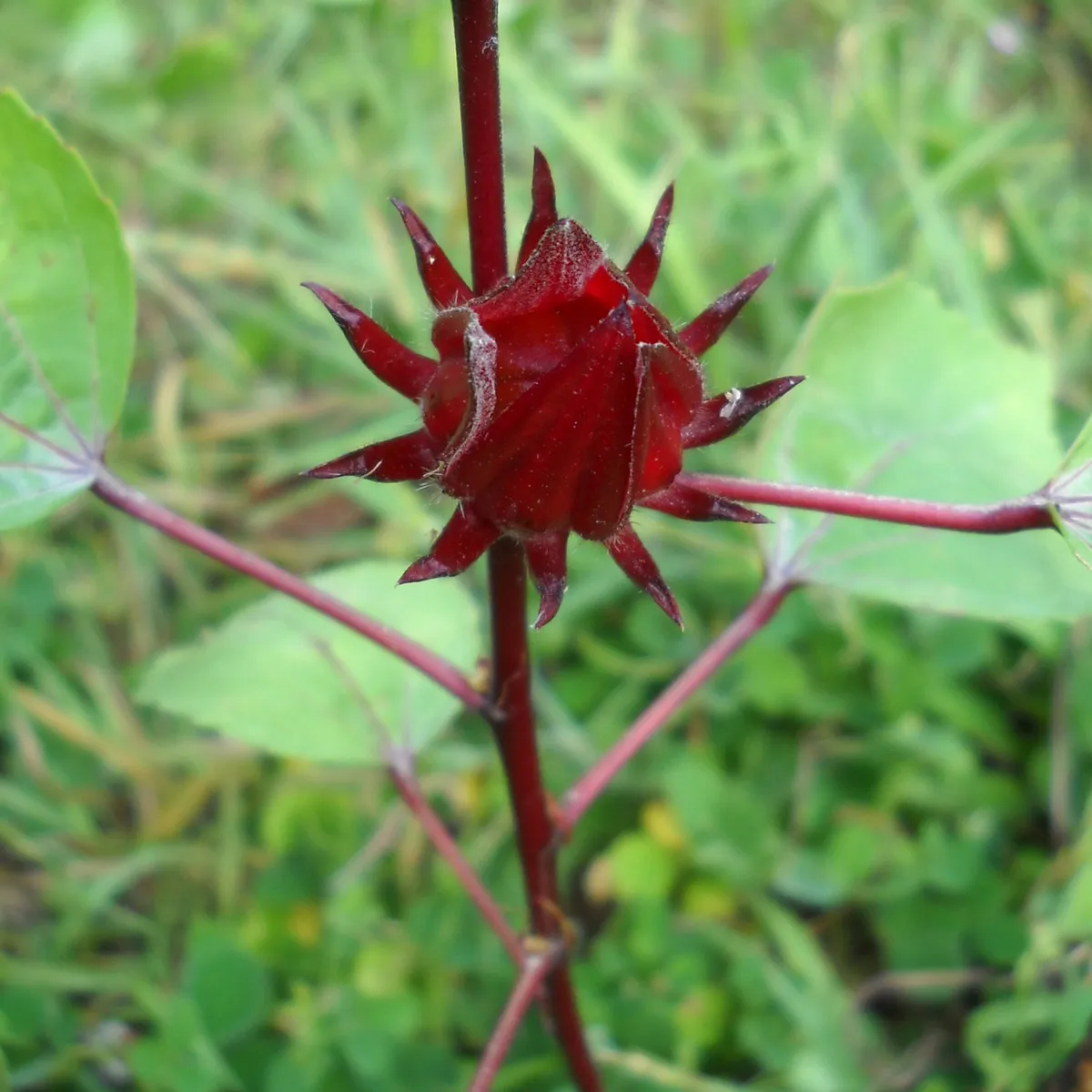
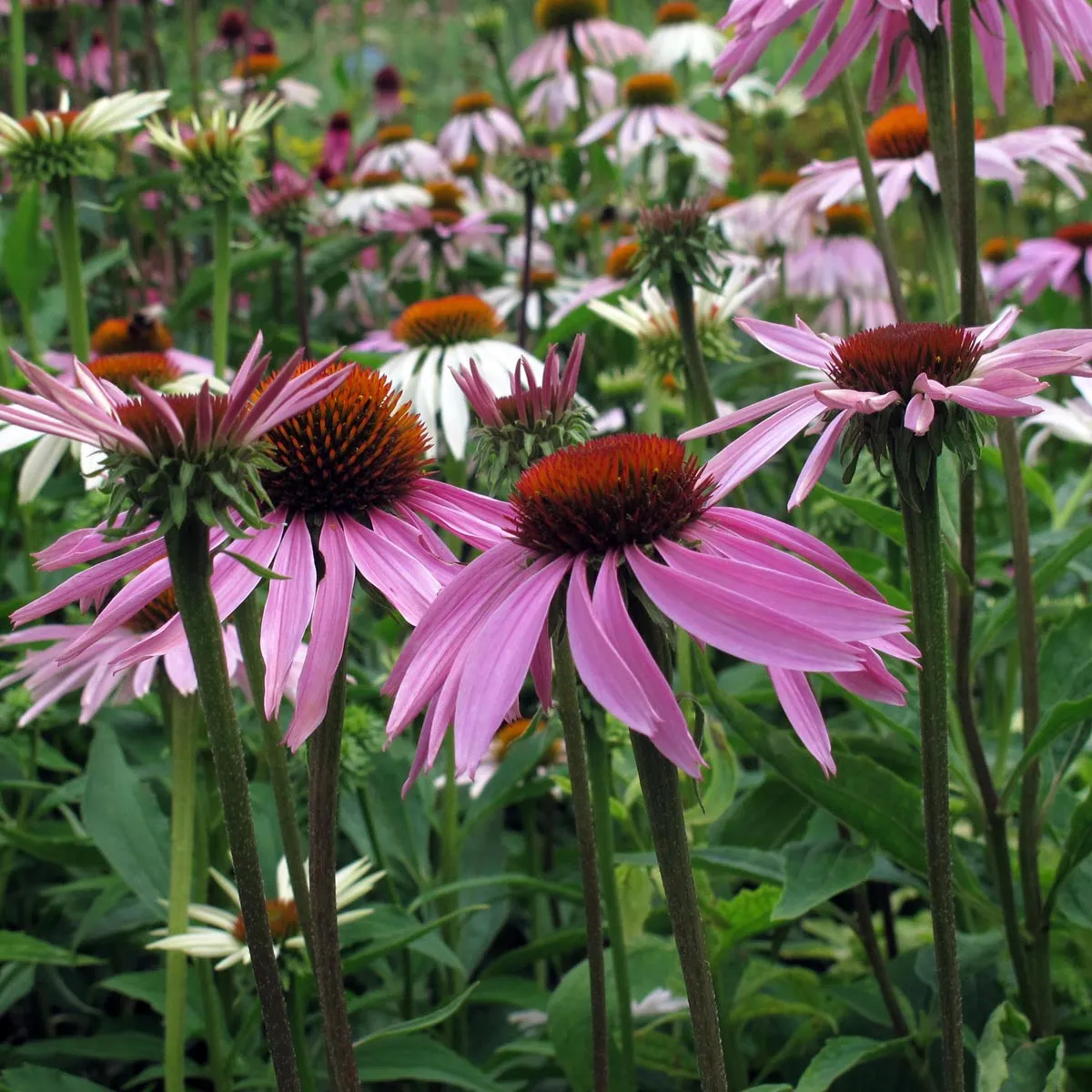
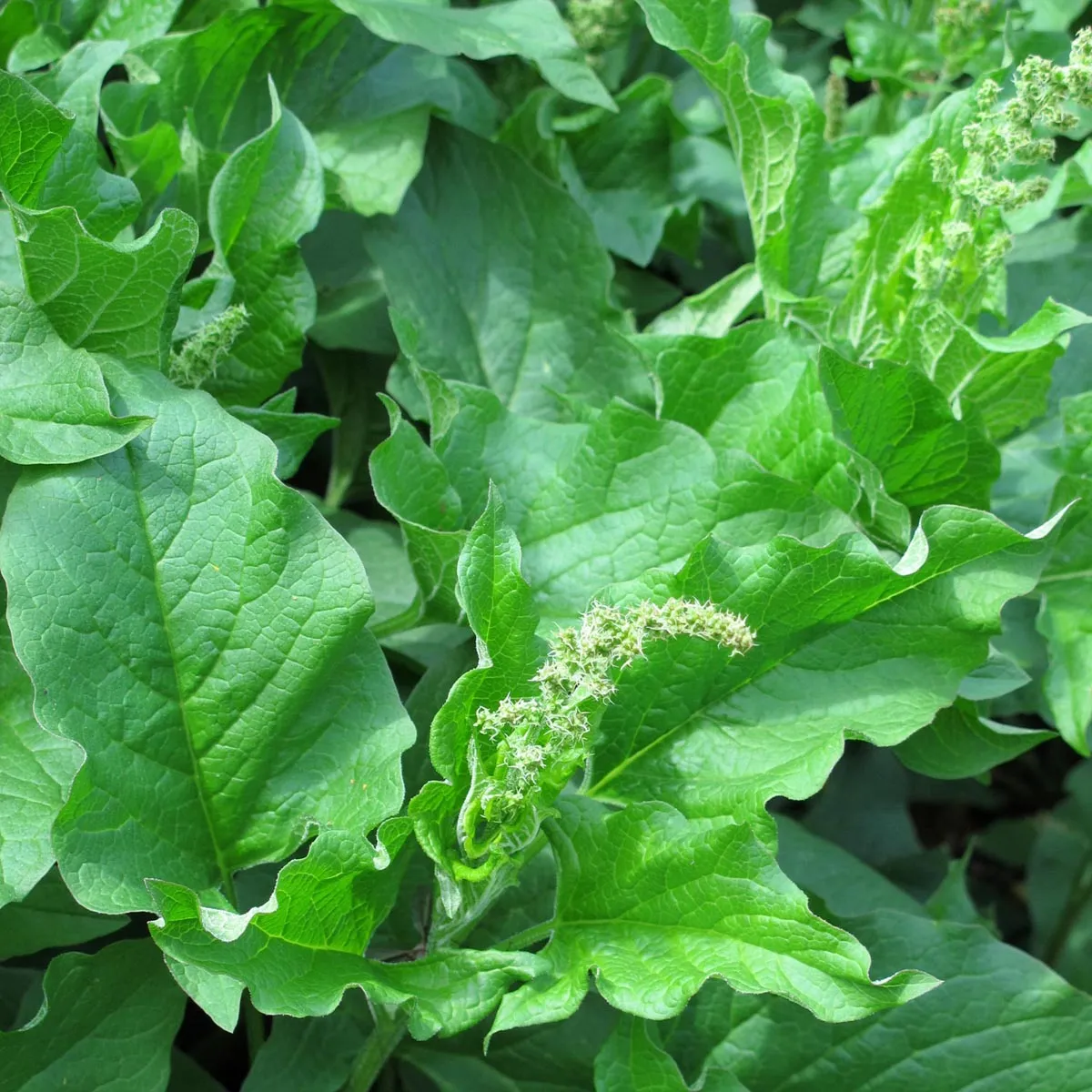
| Compañeros buenos | Campanilla, Consuelda, Lirio de día, Planta de campo dorada |
Siembra y cuidado
Sowing and Care of the Chinese Lantern Plant
- Plant type: Hardy, vigorous perennial
- Sowing: Start indoors from February or direct sow outdoors from May
- Location: Sunny to partially shaded; well-drained, fertile soil
- Care: Very robust; occasional watering; no special feeding required
- Spread: Tends to form strong runners – root barrier recommended
- Use: Flower beds, naturalistic gardens, dried arrangements, symbolic plant
With its distinctive fruiting husks, easy cultivation and symbolic significance, the Chinese lantern plant is a long-lived, decorative addition to gardens and floral arrangements – striking, steeped in tradition, and low-maintenance.
Otros nombres
Nombre botánico: Physalis alkekengi
Alemán: Lampionblume
Inglés: Bladder Cherry, Chinese Lantern, Japanese-Lantern, Strawberry Groundcherry, Winter Cherry
Francés: l'Alkékenge, la Lanterne japonaise, l'Amour en cage, la Lanterne chinoise,
Italiano: L'alkekengi, alchechengi, alchechengio, Frutto di Kenjo,
Español: linterna china, alquequenje, vejiga de perro,
Iniciar sesión