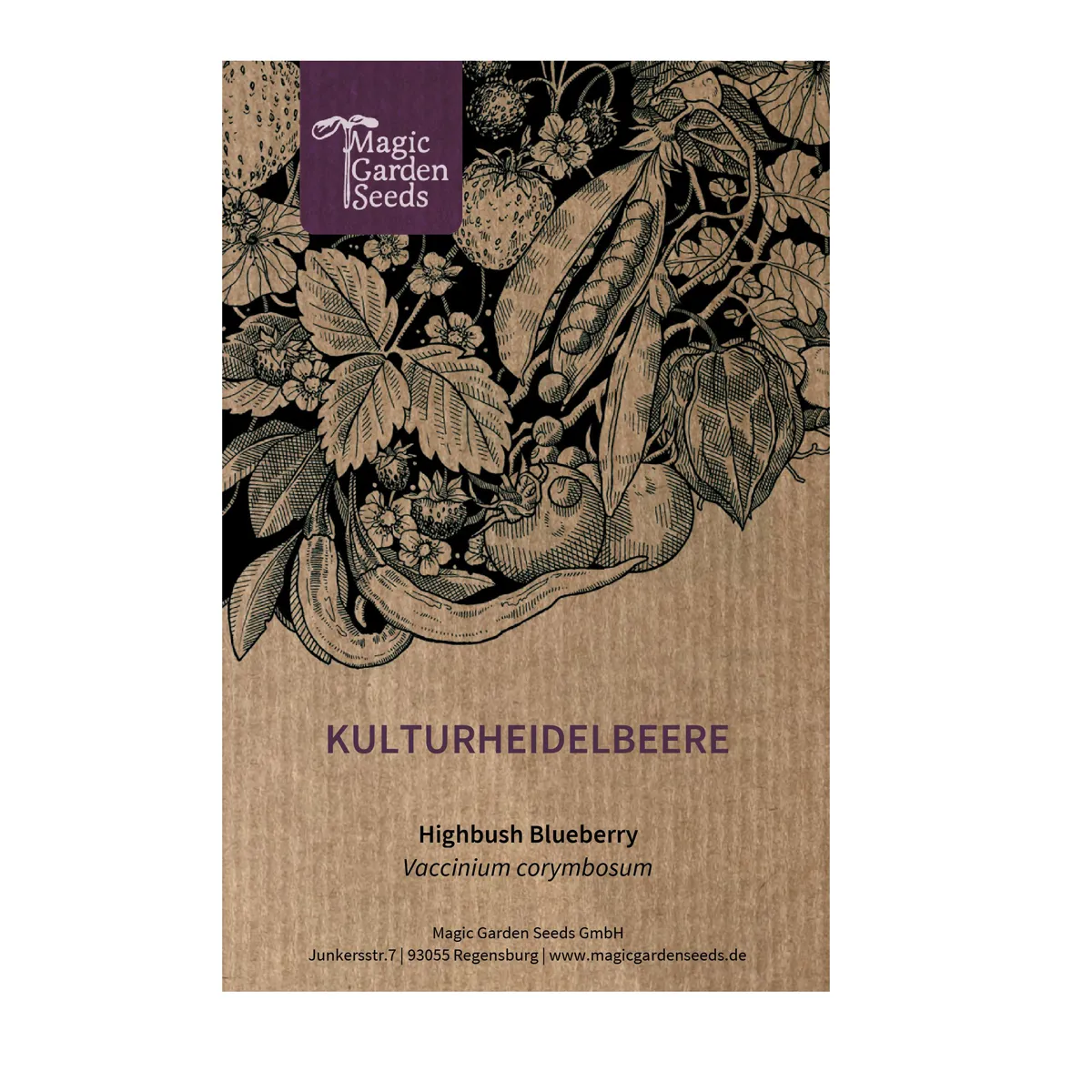
Arándano alto (Vaccinium corymbosum) semillas
- Ein Hauch Nordamerika im Garten – die aromatische Beerenkönigin mit leuchtender Herbstfärbung.
- Contenido: Aprox. 100 semillas
- Variedad de reproducción estable, capacidad de germinación comprobada periódicamente
2,59 €
Descripción
The North American Queen of Berries in Your Own Garden
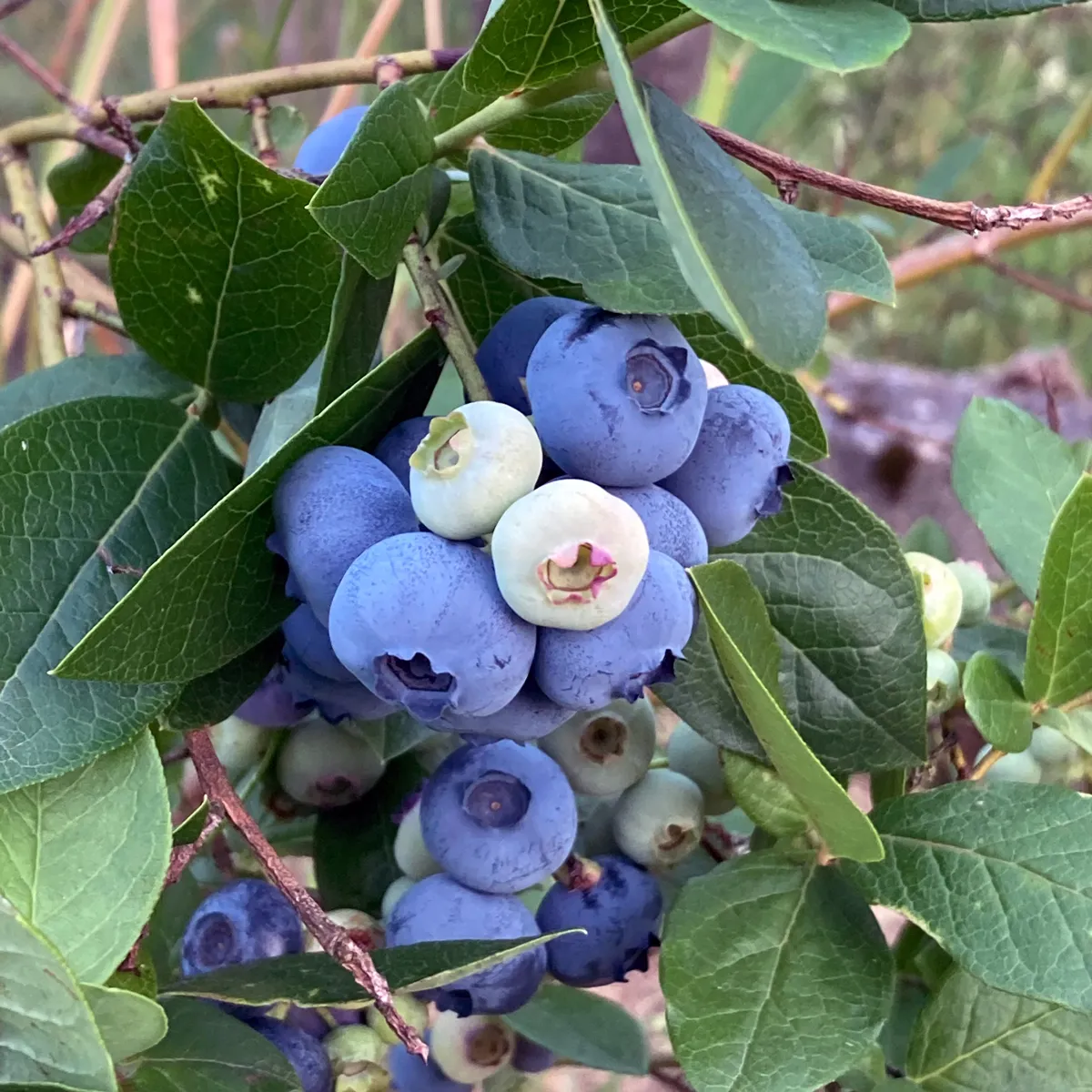
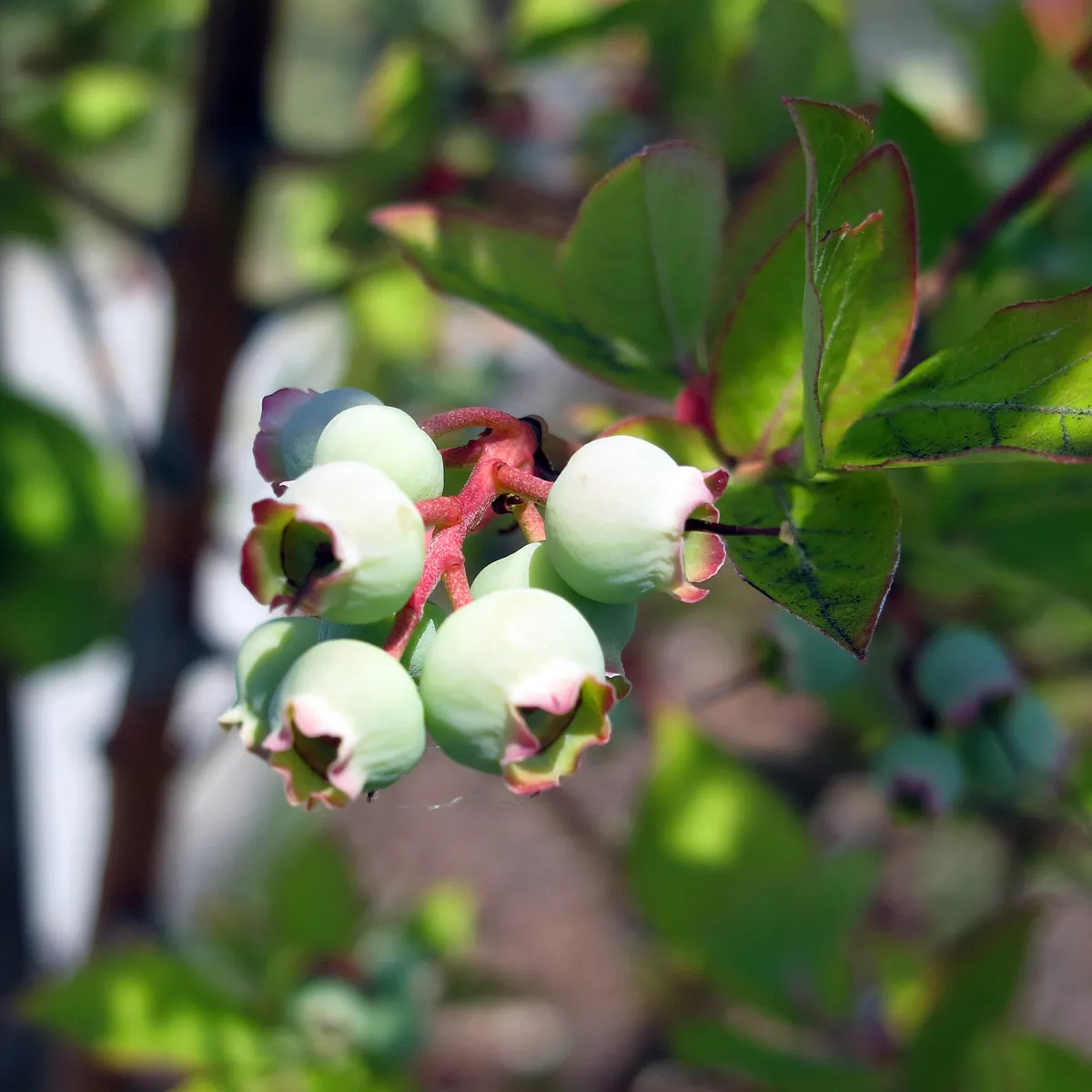
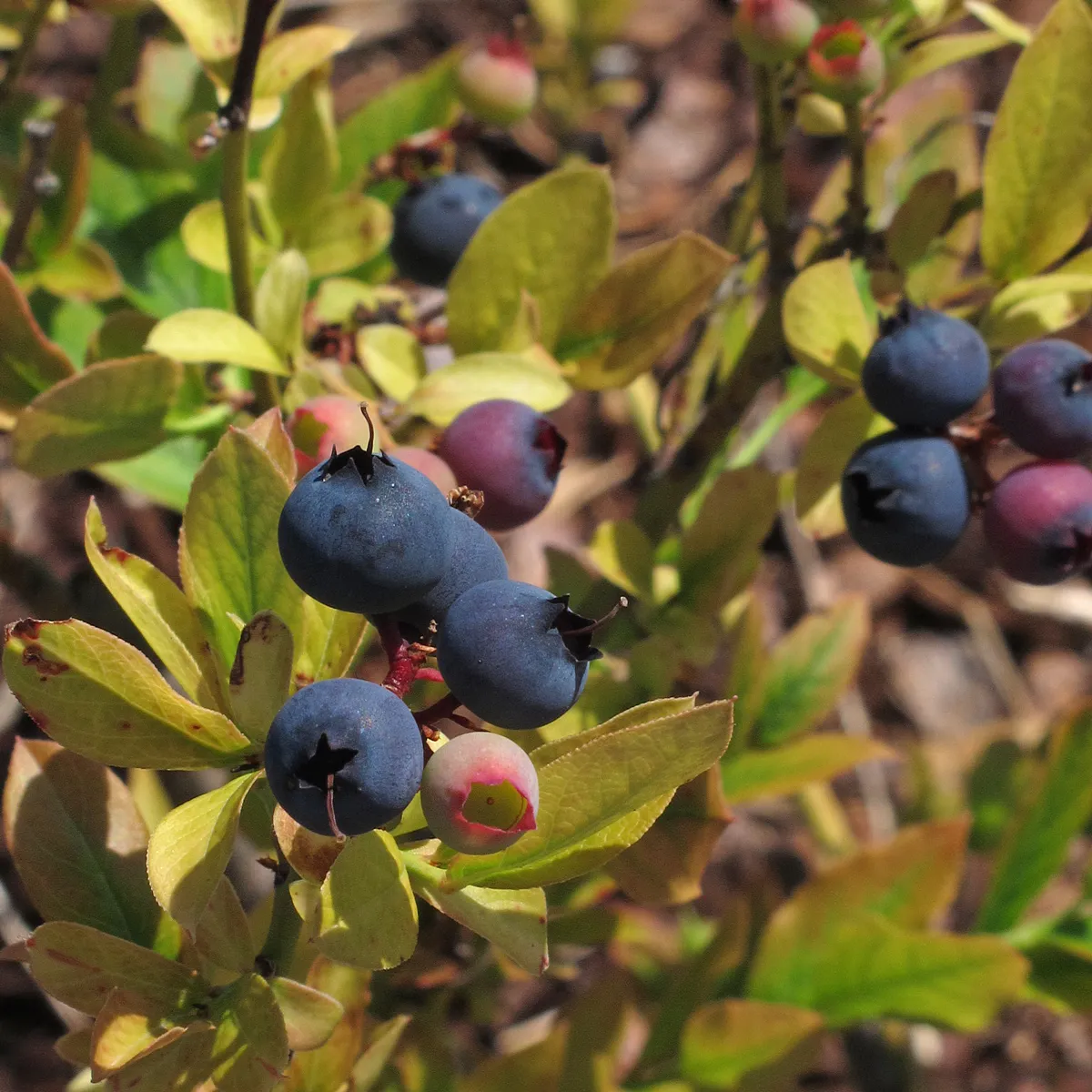
The cultivated blueberry, also known as the American blueberry (Vaccinium corymbosum), is a deciduous berry shrub native to North America and is among the most popular soft fruit crops worldwide. Its development into a productive garden plant began in the early 20th century in the United States – largely thanks to the pioneering efforts of Elizabeth White and botanist Frederick V. Coville. Today, the cultivated blueberry is valued for its large, flavourful fruits, vibrant autumn foliage, and longevity. The berries are rich in vitamins and antioxidants, making them ideal for eating fresh, as well as for use in smoothies, jams or desserts.
Growing cultivated blueberries from seed produces hardy, genetically diverse plants, which are often particularly resilient and adaptable – an engaging project for patient gardeners.
Ficha de la planta
| Identificación | Arbusto, Planta perenne / herbácea |
|---|---|
| Uso | Fruta, Planta de tintura, Planta medicinal |
| Ciclo de vida | Perenne, Perseverante |
| Género | Ericaceae |
| Región de origen | América del Norte |
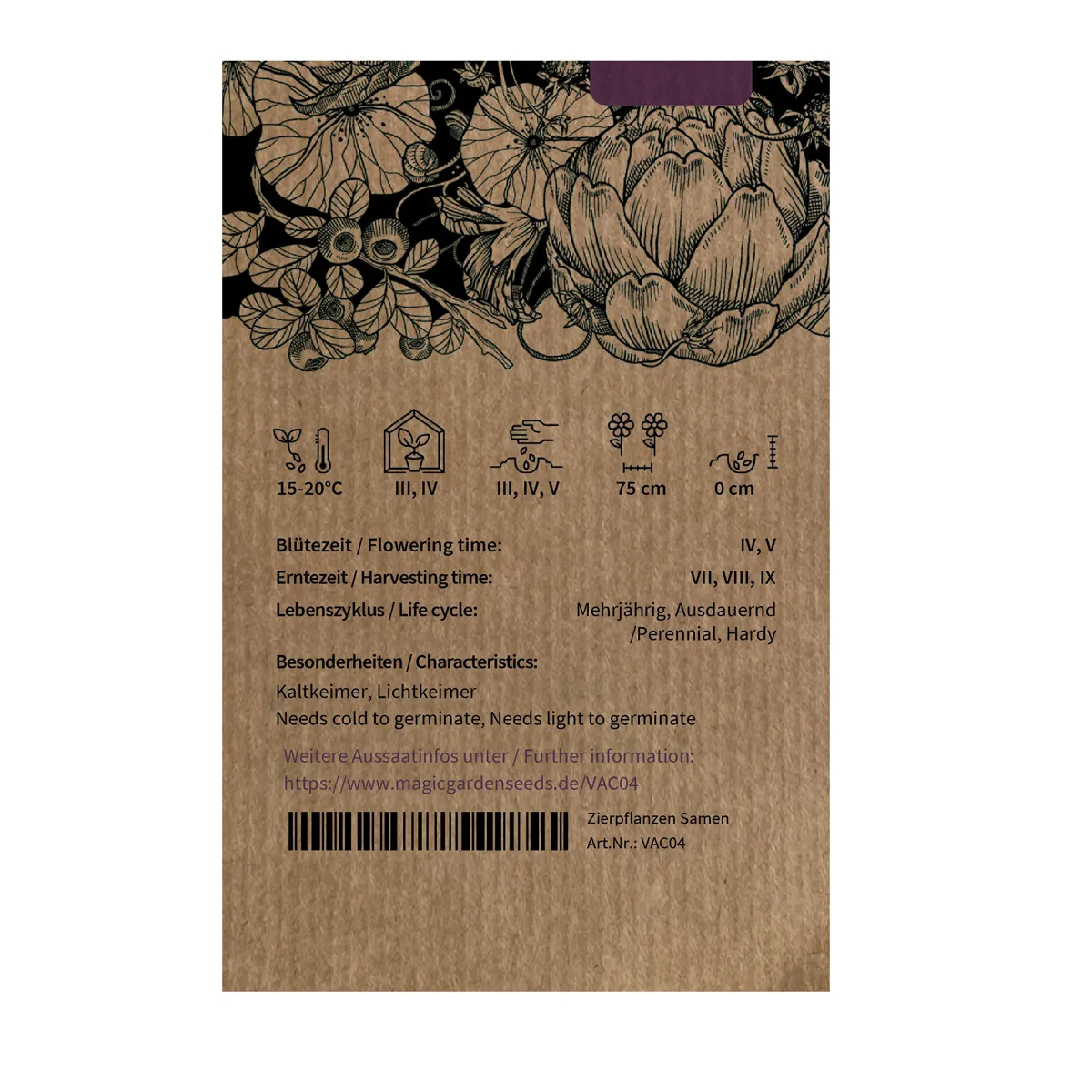
| Características | Germina con frío, Germina con luz |
| Altura de crecimiento | 100-150 cm |
| Color de la flor | Blanco, Rojo, Verde |
| Floración | Abril, Mayo |
| Cosecha principal | Agosto, Julio, Septiembre |
| Color del fruto | Blau |
| Forma del fruto | flachrund |
| Sistema de raíces | Raíz profunda |
| Zonas de rusticidad (ZR) | 6 (-23 bis -18 °C) |
Consejos de cultivo
| Tiempo de siembra al aire libre | Abril, Marzo, Mayo |
|---|---|
| Profundidad de siembra | 0 cm |
| Temperatura de germinación | 15-20°C |
| Periodo de germinación | 1-3 meses |
| Clima | Moderado |
| Tipo de suelo | Humus, Permeable |
| Luz solar | Sombra |
| Demanda de agua | Alto |
| Distancia entre plantas | 75 cm |
Siembra y cuidado
Sowing and Care of the Cultivated Blueberry
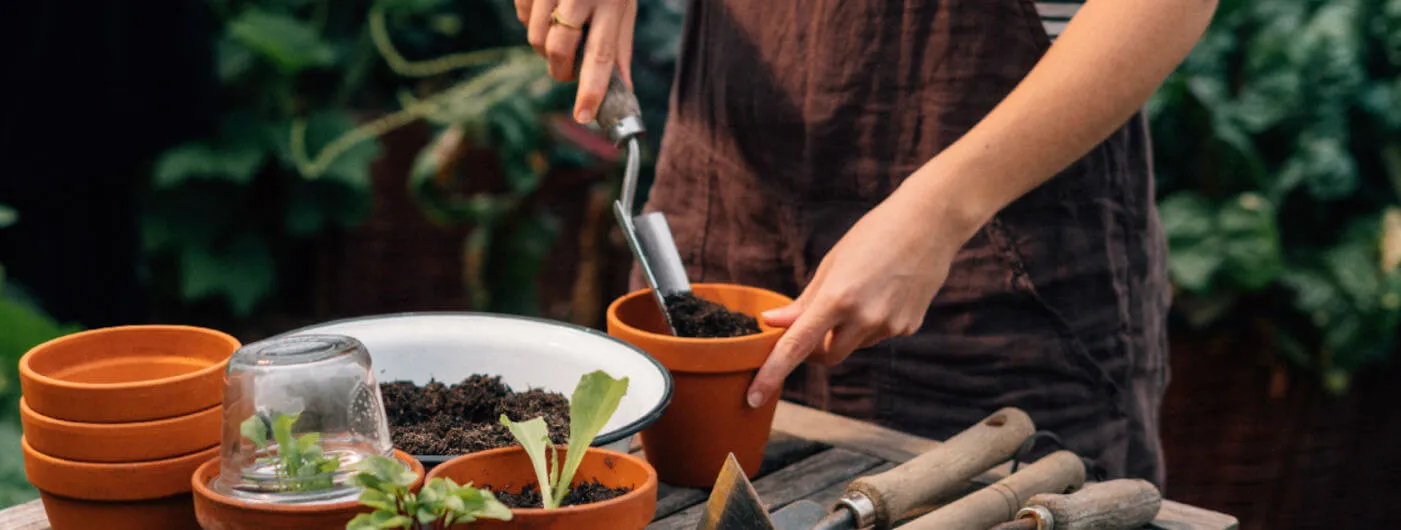
Sowing cultivated blueberries is best done after stratification, as the seeds are cold-germinating. For successful germination, they require a cold period of 6–8 weeks at 2–5 °C, for example in a refrigerator. After this, the seeds should be sown very shallowly (they require light to germinate, so cover only very lightly) in acidic, humus-rich, well-drained soil such as ericaceous compost with a pH of 4.0–5.5. The substrate should be kept evenly moist but not wet – ideally using soft rainwater with low lime content. Germination takes between 4 and 12 weeks, depending on temperature. Young plants should initially be grown in pots in a bright, relatively cool location, and later planted out in a sunny to partially shaded site. Cultivated blueberries will only thrive long-term in acidic soil, and benefit from a mulch layer of leaves, pine needles or composted bark. Mature shrubs typically reach a height of 1.2–2 m and develop an upright to slightly spreading habit. For higher yields, it is advisable to plant several genetically distinct specimens, as cross-pollination improves fruit set. Blueberries are nutrient-demanding but sensitive to lime, and benefit from organic, acidic fertilisers such as those formulated for rhododendrons. Plants grown from seed usually begin fruiting after 3–5 years; mature shrubs are hardy down to around –25 °C, but young plants should be protected from severe frost during their first winter.
Otros nombres
Nombre botánico: Vaccinium corymbosum
Alemán: Amerikanische Heidelbeere, Blaubeere, Schwarzbeere, Kulturheidelbeere
Inglés: Highbush Blueberry, Cultivated Blueberry
Francés: Myrtille arbustive, Myrtille en corymbe
Italiano: Mirtillo americano
Español: Arándano alto, Arándano americano
Neerlandés: Amerikaanse Blauwe Bes
Iniciar sesión