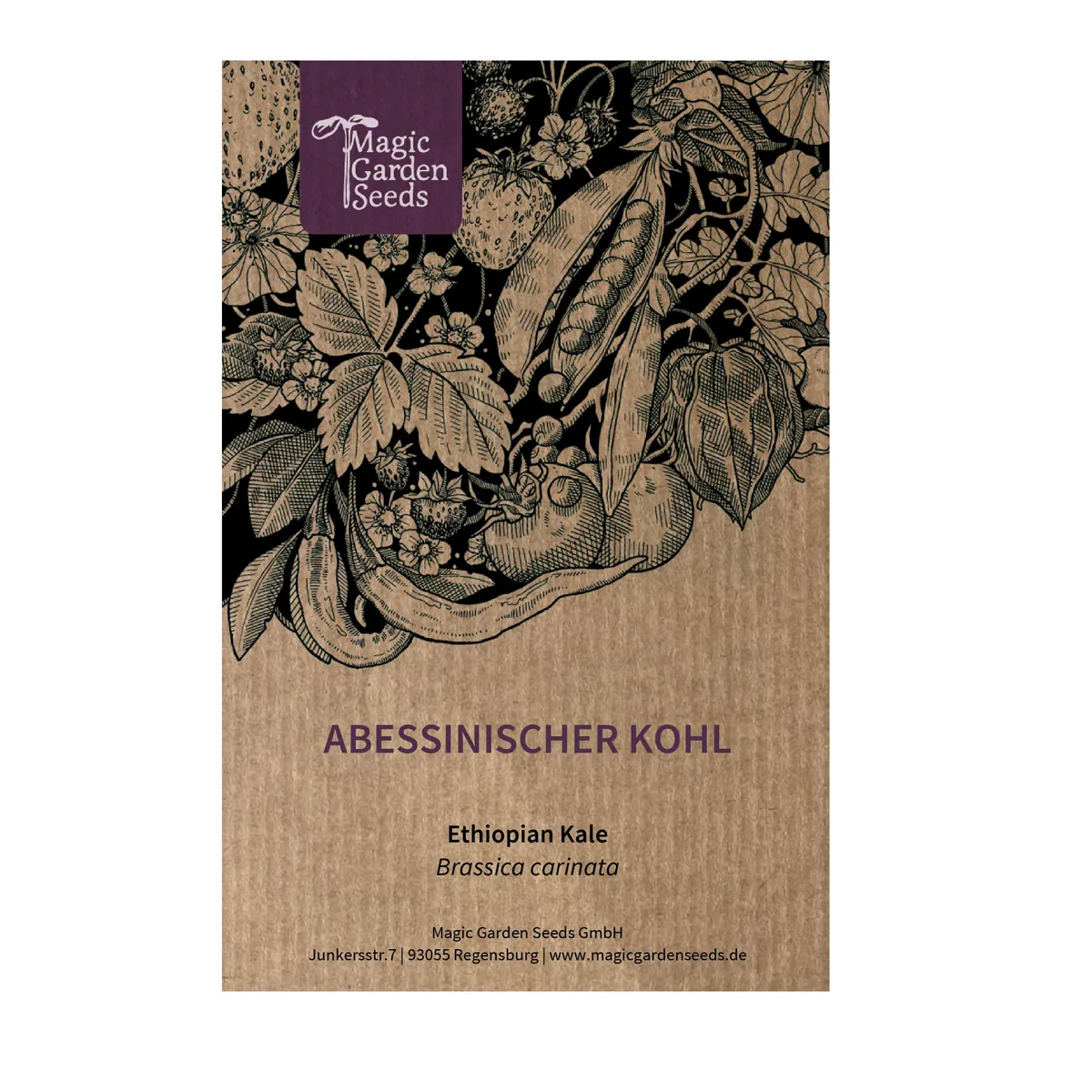
Col de Abisinia (Brassica carinata) semillas
- Verdura de hoja de sabor suave y especiado, ideal para cocer al vapor, saltear o usar en ensaladas frescas – muy productiva y de rápida cosecha
- Contenido: Aprox. 100 semillas
- Variedad de reproducción estable, capacidad de germinación comprobada periódicamente
2,39 €
Descripción
Abyssinian Kale: A Multifaceted Gem from Northeast Africa
Imagine cultivating a plant in your garden that not only enriches your meals but can also be used to produce biofuels. Abyssinian kale, also known as Ethiopian mustard, is precisely such a plant.
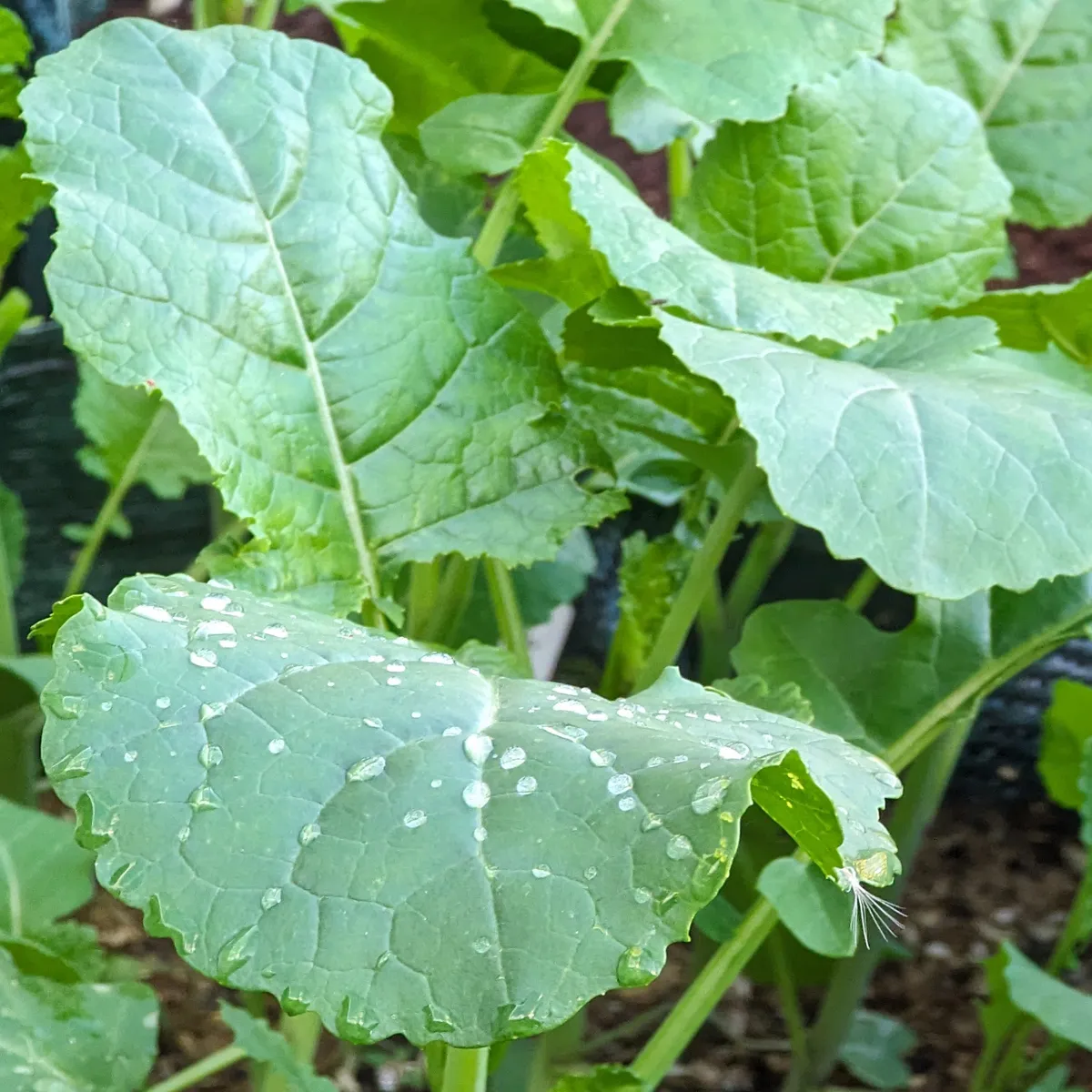
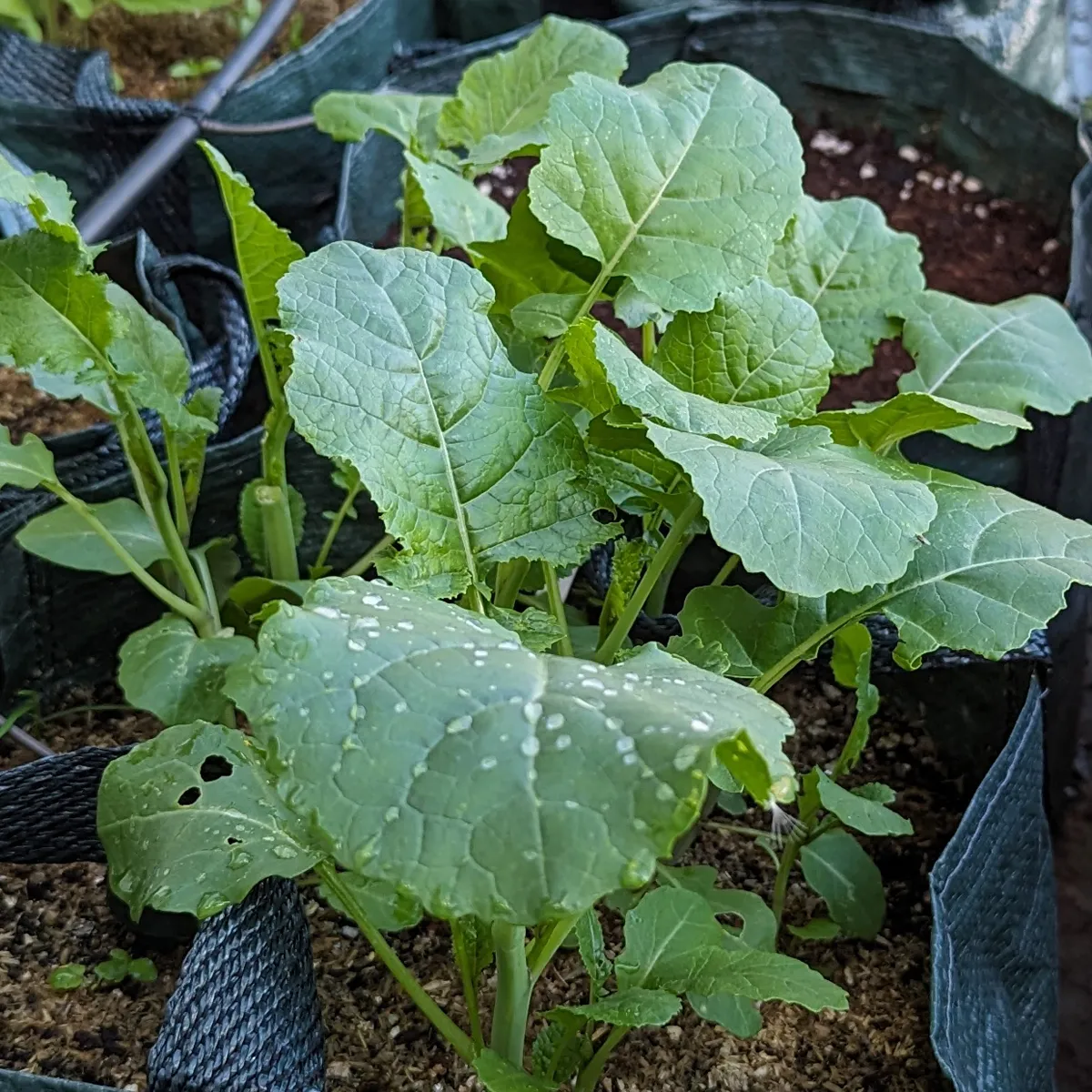
The Abyssinian kale (Brassica carinata) is an extraordinarily versatile crop from Northeast Africa. In Ethiopia, it has been cultivated as a leafy green for millennia and is a staple in local cuisine. The young, tender leaves and stems enhance salads, stir-fries, or vegetable side dishes with a pleasantly mild, slightly nutty flavour reminiscent of broccoli.
But this plant offers even more: its oil-rich seeds can be used to produce high-quality vegetable oil, traditionally used as cooking oil and now also for biofuel production. Abyssinian kale is also notable for its robustness, heat tolerance, and rapid growth. Just a few weeks after sowing, you can harvest the vitamin-rich leafy greens—a true all-rounder for self-sufficiency enthusiasts and hobby gardeners.
Culinary Uses
Why not try a simple recipe? Here's an idea: 'Sautéed Abyssinian Kale with Garlic and Lemon.' Simply fry the leaves in olive oil, add garlic and lemon juice, and season with salt and pepper. This quick and healthy dish highlights the unique flavour of Abyssinian kale.
Ficha de la planta
| Uso | Abono verde, Buen alimento para insectos, Hortaliza, Planta de aceite |
|---|---|
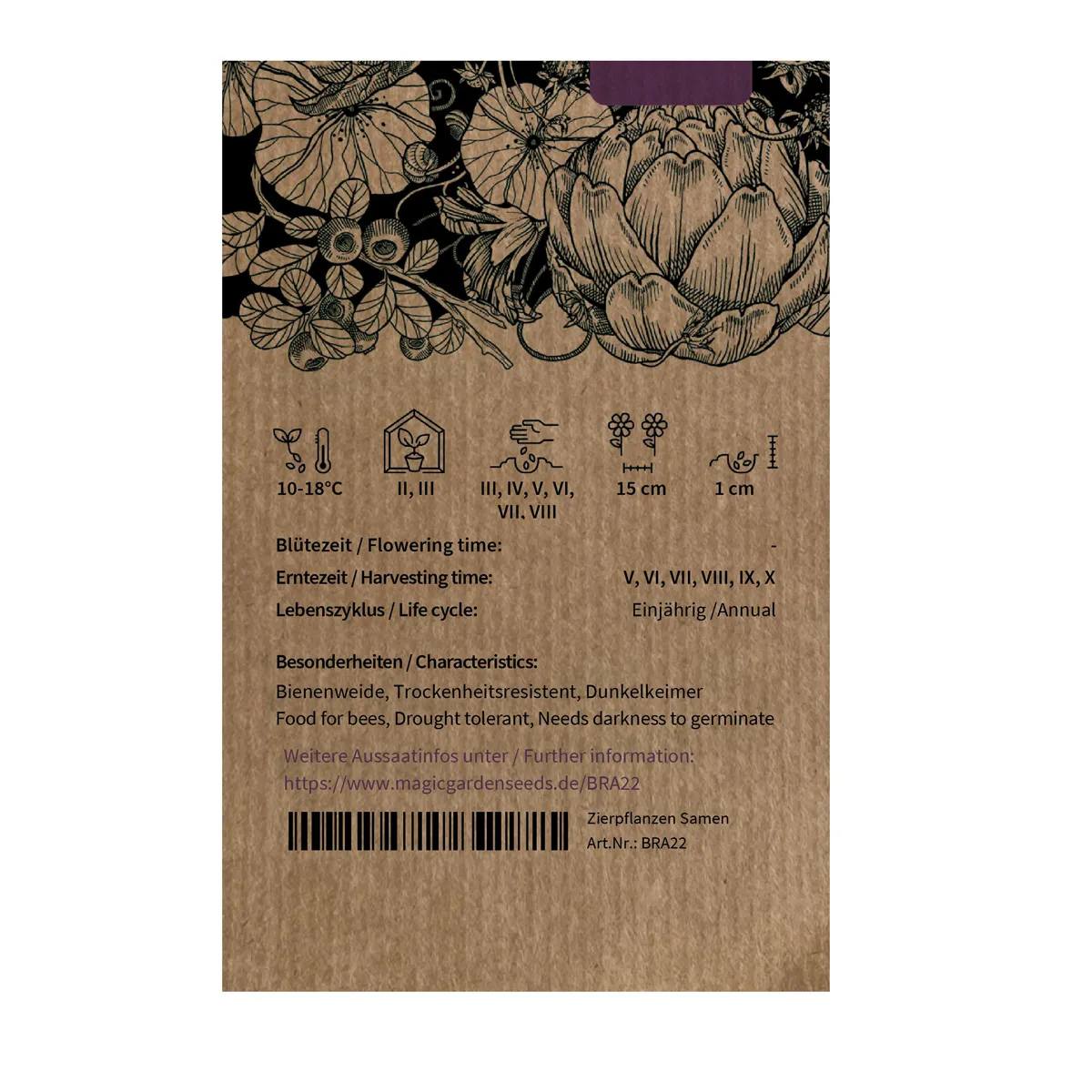
| Ciclo de vida | Anual |
| Género | Brassicaceae |
| Propagación de semillas | Producción convencional |
| Región de origen | África |
| Características | Germina en la oscuridad, Pasto para abejas, Resistente a la sequía |
| Altura de crecimiento | 100-150 cm |
| Color de la flor | Amarillo |
| Cosecha principal | Agosto, Julio, Junio, Mayo, Octubre, Septiembre |
| Sistema de raíces | Raíz de grifo, Raíz profunda |
Consejos de cultivo
| Tiempo de siembra al aire libre | Abril, Agosto, Julio, Junio, Marzo, Mayo |
|---|---|
| Profundidad de siembra | 1 cm |
| Temperatura de germinación | 10-18°C |
| Periodo de germinación | 1-2 semanas |
| Clima | Moderado, Seco |
| Tipo de suelo | Fresco, Moderado en nutrientes, Permeable, Seco |
| Luz solar | Pleno sol |
| Demanda de agua | Medio |
| Distancia entre plantas | 15 cm |
| Distancia entre hileras | 30 cm |
Siembra y cuidado
Sowing and Cultivation
- Sowing Time: March to September outdoors; year-round on a windowsill
- Sowing Depth: Approximately 1 cm (requires darkness to germinate)
- Germination Temperature: 12–22°C (minimum 3°C); germination period 8–10 days
- Location: Sunny to partially shaded, sheltered from wind
- Plant Spacing: Row spacing 25 cm, thin to 2–5 cm within the row
- Care: Low nutrient requirement, water during dry periods, keep soil loose
- Harvest: First leaves and shoots after about 5–7 weeks, continuous harvesting possible
Sustainability
Cultivating Abyssinian kale is not only straightforward and productive but also ecologically beneficial. The plant thrives in various climatic zones and contributes to biodiversity in your garden. Additionally, it is a sustainable choice for those who value environmentally friendly agriculture.
Abyssinian kale is not just a rare traditional crop but also a delicious and uncomplicated addition to modern cuisine—straight from your garden or balcony container.
Otros nombres
Nombre botánico: Brassica carinata
Alemán: Abessinischer Kohl, Äthiopischer Senf, Äthiopischer Kohl, Gänsefuss-Senfkohl
Inglés: Ethiopian Kale, Abyssinian Mustard
Francés: Chou d’Abyssinie, Moutarde abyssinienne
Italiano: Cavolo d’Abissinia, Senape d’Abissinia
Español: Col de Abisinia, Mostaza abisinia
Neerlandés: Abyssinische kool, Ethiopische mosterdkool
Iniciar sesión